
WikiLeaks, the Banking Blockade, and Bitcoin's First Real Test
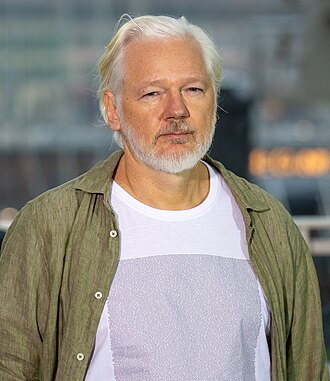
Bitcoin's first demonstration that it mattered didn't come from a price chart. It came in December 2010, when Visa, Mastercard, PayPal, and major banks simultaneously cut off donations to WikiLeaks — with no law passed, no court order, no trial. Julian Assange's organization had just published a trove of US diplomatic cables, and the payment system simply switched it off.
The blockade and the workaround
The "banking blockade" reportedly destroyed the overwhelming majority of WikiLeaks' revenue overnight. It was also a perfect, public illustration of the problem bitcoin — then a year old and worth about 25 cents — was built to solve: money that intermediaries can veto. WikiLeaks began accepting bitcoin donations in June 2011. No network operator could block them, because there was no operator.
Satoshi's last plea
Here's the remarkable footnote: bitcoin's creator was against it. When a forum user cheered WikiLeaks adopting bitcoin, Satoshi Nakamoto replied: "It would have been nice to get this attention in any other context. WikiLeaks has kicked the hornet's nest, and the swarm is headed towards us." It was one of Satoshi's final messages — within days, in December 2010, the creator posted for the last time and disappeared. The project was left to survive government attention on its own. It did.
The best trade nobody planned
The blockade accidentally made WikiLeaks an early bitcoin whale. Assange later joked that the organization earned a return of more than 50,000% on bitcoin it was forced into holding — the donations that arrived at single-digit prices were spent and held through bitcoin's rise. Meanwhile Assange's own saga ground on: embassy asylum in London from 2012, arrest in 2019, and a US espionage prosecution that ended in June 2024 with a plea deal, time served, and his return to Australia a free man. Supporters covered the $520,000 charter flight home partly in crypto donations — his story bookended by the same technology.
Why this history matters
Whatever you think of Assange, the 2010 blockade is the cleanest answer to "why does bitcoin need to exist?" Payment rails are power, and power gets used. Bitcoin's censorship resistance was proven not in a whitepaper but in production, under fire, in its second year of life — and every debate about money and speech since runs through this episode.