
NFTs, Explained Without the Hype
In 2021, a JPEG collage sold at Christie's for $69 million and "NFT" entered the dictionary. By 2023, most NFT collections had lost 90%+ of their value and the mockery wrote itself. Both chapters are true — and both miss what an NFT actually is.
The idea underneath
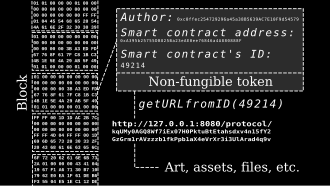
Cryptocurrencies are fungible: every bitcoin is interchangeable with every other, like dollars. A non-fungible token is the opposite — a blockchain entry representing one specific, unique thing. What the blockchain provides is a public, tamper-proof record of who owns it and its complete ownership history. That's it. Not the image itself (usually), just the provable title to it.
Why the boom happened — and busted
Scarcity plus status plus a bull market is an old recipe. Profile-picture collections like Bored Apes became luxury goods, prices detached from any use, and wash-trading inflated the numbers further. When liquidity left crypto in 2022, NFTs — the least liquid, most sentiment-driven assets — fell hardest. The pattern (real innovation, absurd overshoot, brutal correction, quiet utility) is the same one the dot-com era followed.
What actually survived
- Digital goods in games and platforms — items players genuinely own and can resell, outside any one company's database.
- Tickets and memberships — resale-controllable, forgery-proof, with royalties enforceable in code.
- On-chain identity and records — domain names, credentials, provenance for physical goods like watches and art.
- Digital art — a smaller but real collector market where provenance is the whole point.
The takeaway
Judge NFTs the way you'd judge any receipt: by what it's a receipt for. Provable ownership of digital things is a genuine new capability that smart contracts made possible. A receipt pointing at a JPEG anyone can copy, priced at a house — that was the mania, not the technology.